
The traditional wall adapter has been the dominant method for charging cell phones since the beginning. But as smartphones have become indispensable — and as battery anxiety has grown into a real phenomenon — engineers and entrepreneurs have developed increasingly inventive alternatives for keeping devices powered in almost any situation.
Wireless (Qi) Charging
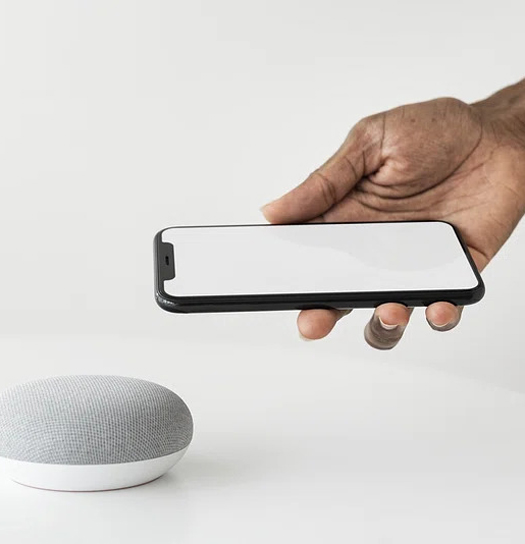
Wireless charging — standardized under the Qi protocol — uses electromagnetic induction to transfer power from a charging pad to a compatible phone without physical contact. Simply place a Qi-compatible phone on a wireless charging pad and it begins charging. While somewhat slower than wired charging, wireless charging is genuinely convenient for desk and nightstand use and eliminates connector wear. MagSafe (Apple) and similar magnetic alignment systems have improved wireless charging speed and alignment precision.
Portable Battery Packs (Power Banks)
Portable battery packs — ranging from pocket-sized 5,000 mAh units to large capacity 20,000+ mAh versions — allow you to charge your phone from a battery you carry with you. High-quality power banks can fully charge a modern smartphone 2–4 times before needing recharging themselves. They're essential for travel, outdoor activities, and emergencies when outlet access is unavailable.
USB-C Laptop Charging
Modern USB-C laptops can both accept and deliver power through their USB-C ports. This means a laptop can charge a phone directly via USB-C cable — turning your laptop into an emergency charger. Some laptops can deliver enough wattage to fast-charge a smartphone while simultaneously running on their own battery.
Solar Chargers
Portable solar panels — from small single-panel units to foldable multi-panel arrays — can charge smartphones from direct sunlight. Solar charging is particularly valuable for outdoor recreation, emergency preparedness, and off-grid situations. Charging speed depends heavily on sunlight intensity and panel size; most consumer solar panels deliver 5–20 watts, enough to slowly charge a phone over several hours of direct sun.
Car Chargers and Wireless Car Mounts
USB car adapters allow charging via the vehicle's 12V outlet. Many newer vehicles include USB-A and USB-C charging ports integrated into the dashboard. Wireless charging car mounts charge phones while simultaneously holding them for navigation — a convenient combination.
Wireless Reverse Charging
Some flagship smartphones support reverse wireless charging — using the phone itself as a wireless charging pad to charge smaller devices like earbuds wirelessly. While not a primary charging method, it's useful for topping up wireless earbuds in a pinch.
Experimental Technologies
Researchers have explored more exotic charging concepts: thermoelectric generators that harvest body heat, kinetic chargers that generate power from movement, and near-field wireless power transmission that could charge devices at distances of several feet. While none of these have achieved mainstream commercial deployment, they represent the frontier of what may eventually be possible in mobile device charging.
Emergency Preparedness Note
For emergency preparedness, having at least one alternative charging method — a fully charged power bank, a solar charger, or a vehicle charger — ensures that your phone remains functional as a communication tool even during extended power outages when wall outlets are unavailable. Since SMS messages are often the most reliable communication channel during emergencies, keeping your phone charged is essential.
