
From "LOL" and "BRB" to "u" and "r" — SMS language (also called textspeak, txt speak, or chatspeak) has developed as a shorthand communication style optimized for the constraints of text messaging. Whether this linguistic evolution helps or harms literacy has been debated by educators, linguists, and parents for two decades. The research paints a more nuanced picture than either anxious critics or enthusiastic defenders tend to acknowledge.
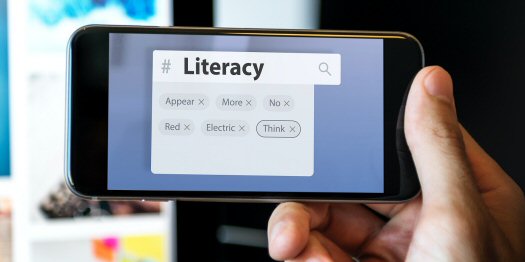
What Is SMS Language?
SMS language refers to the collection of abbreviations, acronyms, phonetic spellings, and symbols that have emerged as shorthand in text-based communication. Common features include:
- Acronyms: LOL (laugh out loud), BTW (by the way), OMG (oh my goodness), TTYL (talk to you later)
- Letter/number substitutions: "u" for "you," "r" for "are," "2" for "to/too," "4" for "for"
- Phonetic spellings: "nite" for "night," "thru" for "through," "luv" for "love"
- Omitted punctuation and vowels: "txt" for "text," "pls" for "please," "thx" for "thanks"
- Emoji: Visual symbols used to convey emotion or replace words
The Literacy Concern
Educators worried that habitual use of textspeak would bleed into formal writing — producing essays filled with abbreviations, comma splices, and phonetic spellings. Some teachers reported seeing "lol," "u," and similar constructions appearing in student assignments. This concern drove significant public debate about whether smartphones and texting were making young people worse writers.
What the Research Shows
The evidence on textspeak's impact on literacy is more reassuring than the alarm suggested. Multiple studies, including research by linguist David Crystal and several UK-based academic studies, found that:
- Children who use more textisms in their messages are not worse spellers or writers — and some studies found a positive correlation with literacy, because textism use requires phonological awareness
- Fluent texters appear to understand the distinction between informal text communication and formal writing contexts
- Textspeak is used consciously as code-switching — most students know the difference between texting a friend and writing an essay
- Heavy texters often write more total words per day than non-texters — any medium that increases writing practice may improve fluency
Context Matters
The research suggests that SMS language is a register — a style of communication appropriate to specific contexts — rather than a corruption of standard written language. Most users, including young people, demonstrate appropriate register switching: informal textspeak in texts, standard language in academic and professional writing.
The real literacy concern may be not textspeak itself, but reduced time spent reading long-form text — novels, articles, extended prose — as screen time increasingly consists of short-form content. Reading develops vocabulary and syntactic fluency in ways that fragmented short-form content cannot replicate.
