
The global spread of infectious disease has historically outpaced humanity's ability to respond. Mobile technology — and SMS text messaging in particular — has emerged as a critical tool in the public health arsenal, enabling faster outbreak detection, more effective contact tracing, broader vaccination outreach, and more rapid communication of protective guidance than was previously possible.
Disease Surveillance and Outbreak Detection
Traditional disease surveillance relied on slow reporting chains: patients report to providers, providers report to local health departments, health departments report to state and national authorities. This chain could take days to weeks to surface an emerging outbreak. SMS-based surveillance systems that collect symptom reports directly from community health workers in real time — used in sub-Saharan Africa, Southeast Asia, and other resource-limited settings — can detect outbreak signals days earlier, enabling faster response before exponential spread occurs.
Contact Tracing
Contact tracing — identifying and notifying people who may have been exposed to an infectious disease — is a cornerstone of outbreak control. SMS has transformed this process in several ways. Automated SMS notifications to identified contacts inform them of potential exposure and provide instructions for isolation and testing — faster and at larger scale than phone-based notification programs. During COVID-19, many health departments used automated SMS to supplement overwhelmed contact tracing workforces.
Vaccination Outreach
Vaccination campaigns require reaching large populations with appointment information, reminders, and answers to common questions. SMS has proven particularly effective for vaccination outreach because it reaches people without requiring internet access, works in resource-limited settings, and is easy to personalize. SMS reminder programs for influenza vaccination, childhood immunization schedules, and COVID-19 vaccination have all demonstrated measurable improvements in vaccination rates.
TB Treatment Adherence
Tuberculosis requires 6–9 months of consistent antibiotic treatment. Incomplete treatment creates drug-resistant TB strains that are much harder and more expensive to treat. SMS reminder programs for TB medication adherence have been implemented in multiple countries and consistently demonstrate improved treatment completion rates — a direct contribution to controlling the spread and evolution of this major global infectious disease.
Malaria Control
In malaria-endemic regions, SMS programs have been used to alert community health workers of malaria case clusters, remind households to use bed nets, and coordinate the distribution of antimalarial medications. The ability to rapidly communicate with distributed workforces of community health workers via SMS has been transformative for disease control programs in settings with limited health infrastructure.
COVID-19 Response
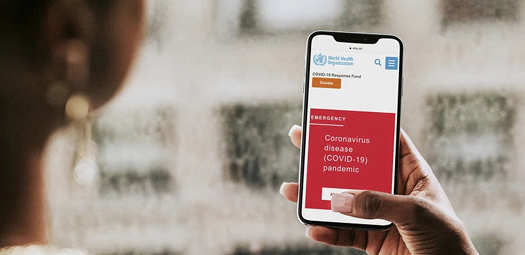
The COVID-19 pandemic demonstrated at global scale how SMS could support pandemic response — from vaccination appointment scheduling to test result notification, from quarantine guidance to public health alerts. Health departments that had invested in SMS communication infrastructure before the pandemic were able to respond faster and reach more people more effectively than those starting from scratch.
