
Political campaigns compete for the most valuable currency in democratic politics: voter attention and action. As email open rates have declined and social media algorithms have made organic reach unreliable, text messaging has emerged as one of the most effective channels for political communication — reaching supporters on the device they check most frequently, with messages that are read at far higher rates than any other digital channel.
The Evolution of Campaign Communications
Presidential campaigns first integrated SMS in the mid-2000s, and text messaging has grown to become a cornerstone of modern campaign strategy at every level — from local school board races to national campaigns. The 2008 Obama campaign's use of SMS to announce the VP selection to subscribers was an early demonstration of the channel's power for creating a sense of insider access and engagement. Since then, SMS has evolved from novelty to necessity in campaign toolkits.
Voter Registration and Deadline Reminders
Voter registration deadlines — which vary by state — are frequently missed by eligible voters who intend to register but forget. SMS reminders from campaigns and nonpartisan civic organizations about registration deadlines, registration links, and same-day registration opportunities (where available) have demonstrated measurable impact on registration rates among younger and first-time voters.
Fundraising
SMS fundraising appeals drive immediate response to time-sensitive moments — debate performances, campaign milestone deadlines, opponent attacks that require rapid response. The immediacy of SMS catches supporters at a moment of peak emotional engagement, when conversion to donation is most likely. Text-based donation links that lead to mobile-optimized contribution pages have become standard campaign fundraising infrastructure.
Get Out the Vote (GOTV)
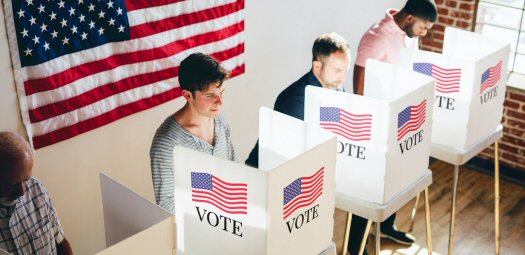
On and immediately before Election Day, GOTV SMS drives identified supporters to the polls. Messages that personalize the appeal — including the recipient's polling place, hours, and a direct request to vote — have demonstrated measurable turnout impact in multiple academic studies of GOTV interventions. Campaigns that can reach supporters by text in the final 72 hours of a campaign have a significant operational advantage.
Volunteer Coordination
Campaigns rely heavily on volunteers for phone banking, canvassing, and event staffing. SMS is far more effective than email for volunteer coordination — confirming shift assignments, sending location information, alerting volunteers to schedule changes, and thanking volunteers after events in a channel they're certain to read.
Compliance Considerations
Political campaign SMS is subject to FCC and FEC regulations. Campaigns should work with experienced political communications advisors and legal counsel to ensure their SMS programs comply with applicable consent, disclosure, and contribution reporting requirements. The legal landscape for political texting continues to evolve.
