
Malaria remains one of the world's most significant infectious disease burdens — causing hundreds of millions of cases and hundreds of thousands of deaths annually, predominantly in sub-Saharan Africa. Mobile phone penetration has outpaced healthcare infrastructure in many malaria-endemic regions, making SMS one of the most promising tools for extending the reach of malaria prevention and treatment programs to populations that remain beyond the reach of traditional health system delivery.
Real-Time Disease Surveillance
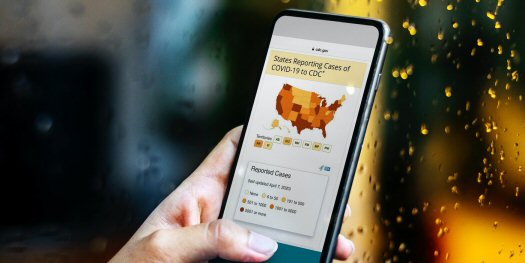
Traditional malaria surveillance systems were slow — data collected at clinic level might take weeks or months to reach national health officials. SMS-based reporting systems allow community health workers to report malaria cases in real time, directly from villages where patients present. These immediate reports enable public health officials to detect outbreak clusters, identify drug resistance patterns, and direct intervention resources faster than paper-based systems could ever allow.
Programs like RapidSMS (used by UNICEF and various national health ministries) enable community health workers to submit structured reports via basic text messages from simple feature phones — the kind of phones widely used in rural Africa — without requiring internet connectivity or smartphones.
Community Health Worker Coordination
The "last mile" of malaria control is community health workers (CHWs) who visit households, distribute bed nets, provide rapid diagnostic testing, and administer artemisinin-based combination therapy. SMS enables supervisors to coordinate, support, and monitor CHW activities across large geographic areas — transmitting case reports, supply requests, and clinical guidance without requiring costly clinic visits.
Treatment Adherence Support
Artemisinin-based malaria treatments require a full 3-day course. Patients who feel better after the first day may stop taking the medication — a practice that can leave parasites alive, allowing recurrence and contributing to drug resistance. SMS reminders sent daily during treatment significantly improve course completion rates, with direct implications for individual patient outcomes and population-level drug resistance development.
Bed Net Distribution Programs
Insecticide-treated bed nets are the cornerstone of malaria prevention. SMS programs that coordinate bed net distribution campaigns — notifying community leaders of distribution events, confirming household coverage, and following up on households that didn't receive nets — improve the completeness and efficiency of mass distribution programs.
Malaria-Related SMS Innovation
Researchers and health organizations have developed increasingly sophisticated SMS tools for malaria control — programs that use seasonal malaria data to predict and target high-risk areas, tools that enable patients to report symptoms and receive triage guidance, and systems that help pregnant women (particularly vulnerable to malaria) maintain preventive treatment schedules. These innovations continue to expand what SMS can accomplish in resource-limited global health settings.
